Electrolyzed Water Applications
Electrolyzed Water Generators
Core Principle: Electrochemical Activation
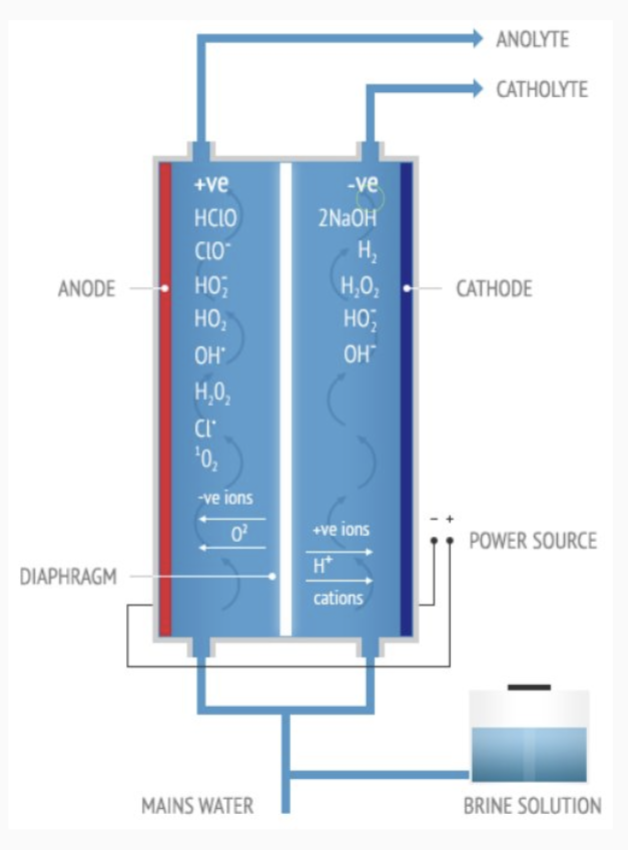
Envirolyte systems operate on electrolysis of a dilute salt solution (brine).
NaCl + H2O + electricity -> oxidizing and alkaline solutions
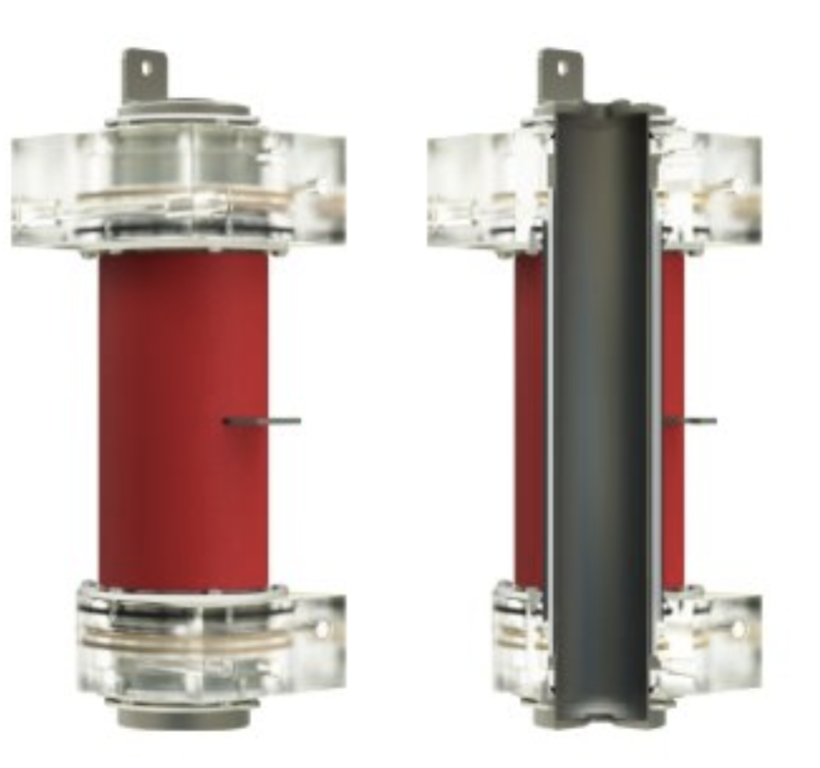
The process occurs inside a specially designed electrochemical reactor
Key System Components
Envirolyte systems operate on electrolysis of a dilute salt solution (brine).
Electrolytic Cell – Anode, Cathode, and Diaphragm
Electrochemical Reactions
Redox reaction – Electrons are transferred between atoms
At the Anode – Chloride Ions are oxidized (losing electrons), chlorine reacts with water, Hypochlorous Acid (HOCl) is formed
At the Cathode – Water is reduced (gaining electrons), alkaline solution is formed, hydrogen gas is vented safely
Solution Types Produced
Oxidizing Solution (Anolyte) – Strong disinfectant, High oxidation-reduction potential, Neutral or slightly acidic pH
Alkaline Solution (Catholyte) – High pH, Good degreasing / cleaning ability
Control Parameters
Current Density – Determines rate of chlorine species production
Flow Rate – Controls contact time in reactor and concentration of output solution
Salt Concentration – Affects conductivity, efficiency, and production composition
pH Control – Determines the dominant species in HOCl, (5-6) Most Effective; (>8) Least Effective
Electrochemical Reactor
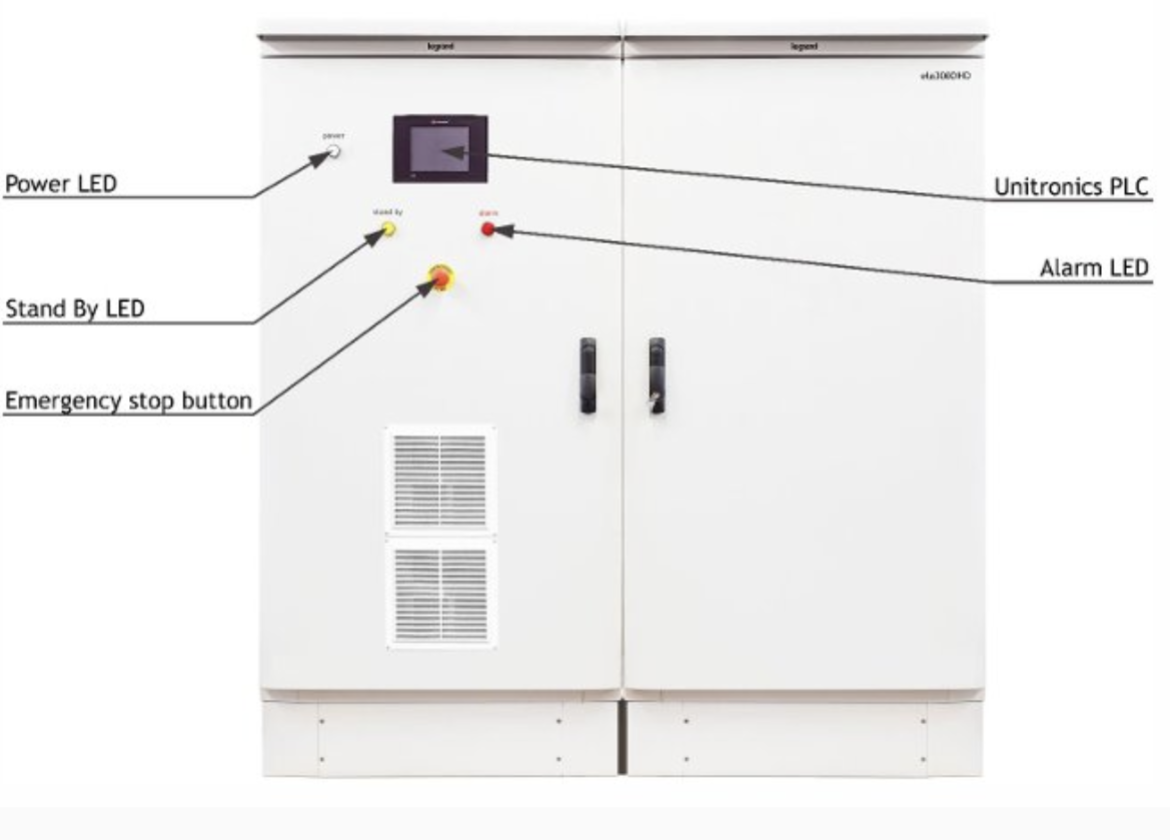
Generator Component Close up (Exterior)
Exterior components protect internal systems and operators
Mounting and enclosure integrity are safety-critical
Adequate spacing and ventilation around the unit is required
All standard operator control functions are performed on the exterior of the machine
Generator Brine Tank Close up
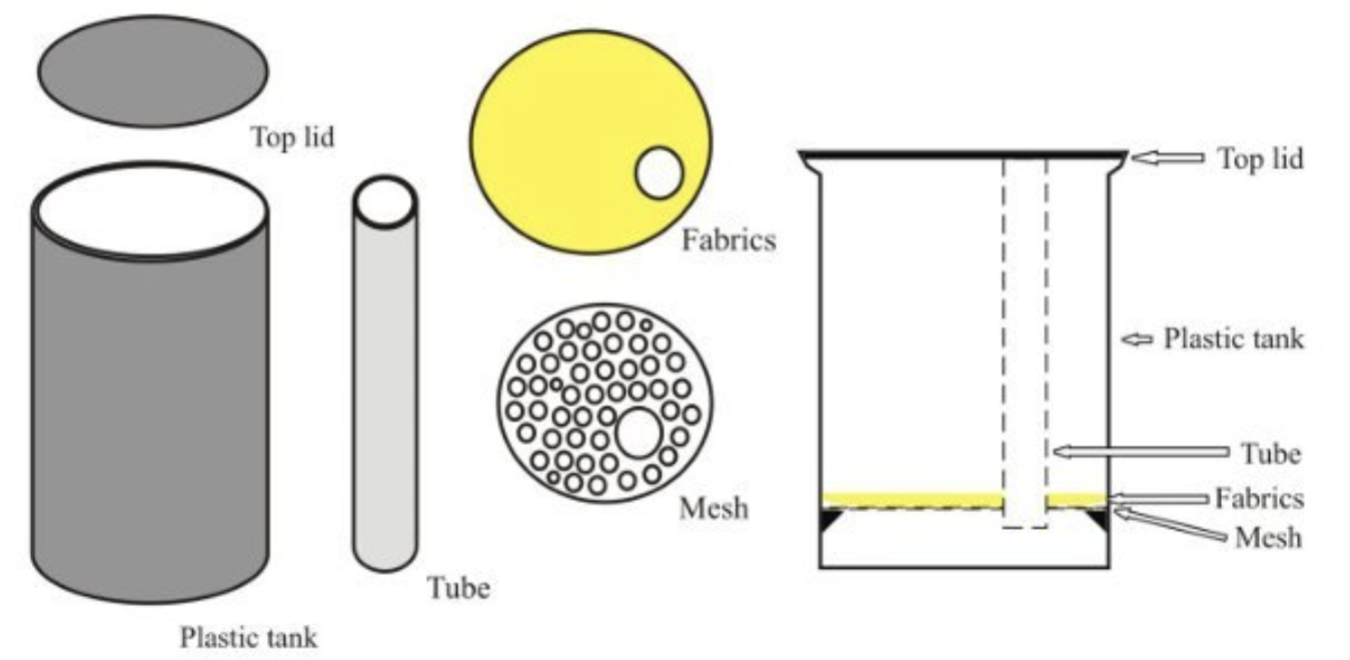
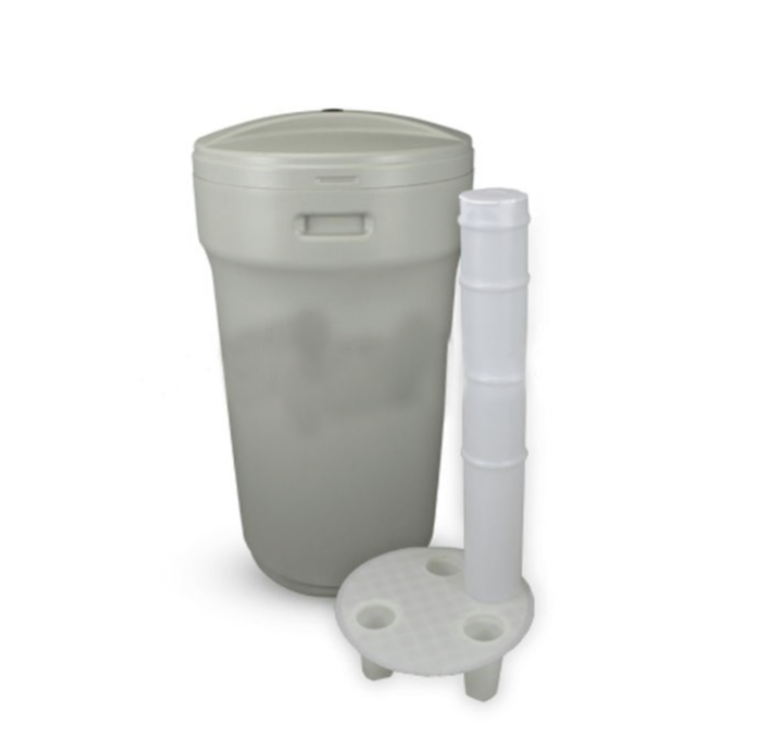
The brine tank is a controlled chemical feed system
Brine delivered to the reactor must have stable salinity, minimal particulates, and predictable conductivity
The brine grid separates undissolved salt from the usable brine
The brine well provides a controlled, clean brine pickup point
The fabric mesh is the final protection against fine particles and debris
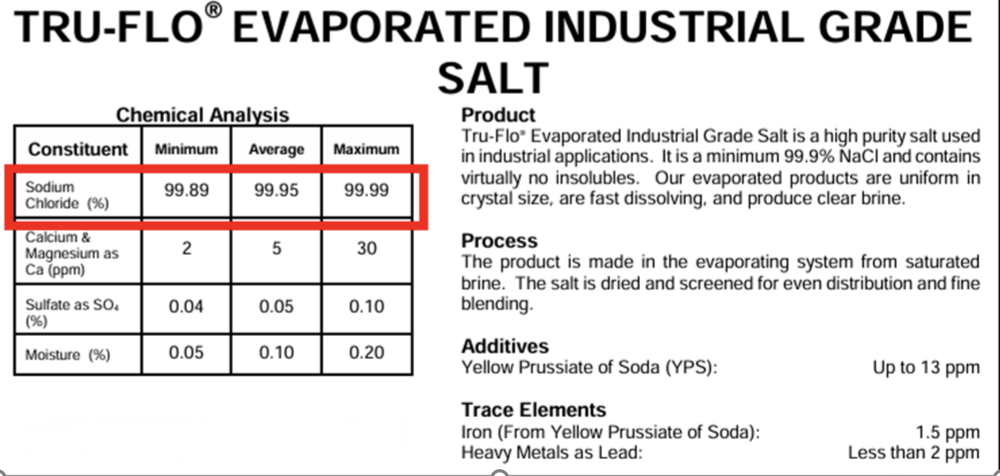
Generator Brine Tank Salt
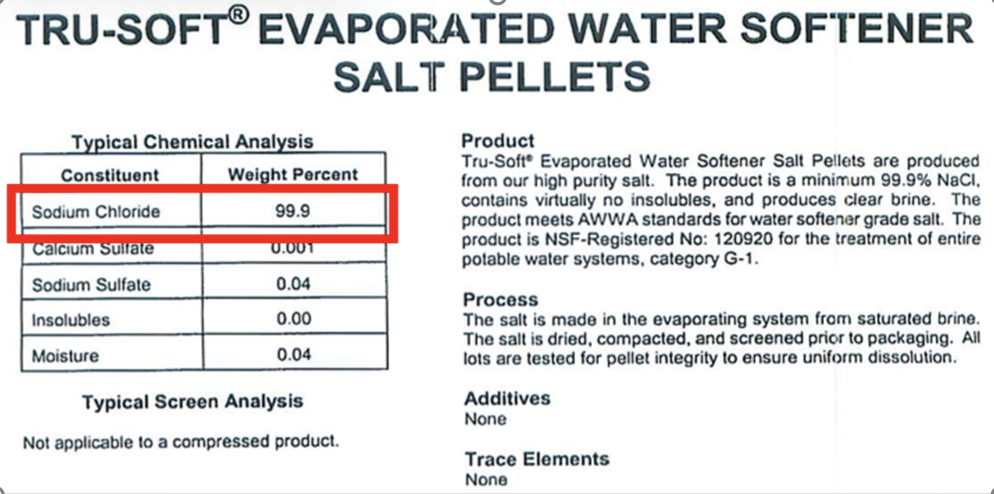
Approved Salt Only
Must be LOW Calcium and Magnesium content to minimize scaling in the reactor
Looking for VERY HIGH Sodium Chloride content
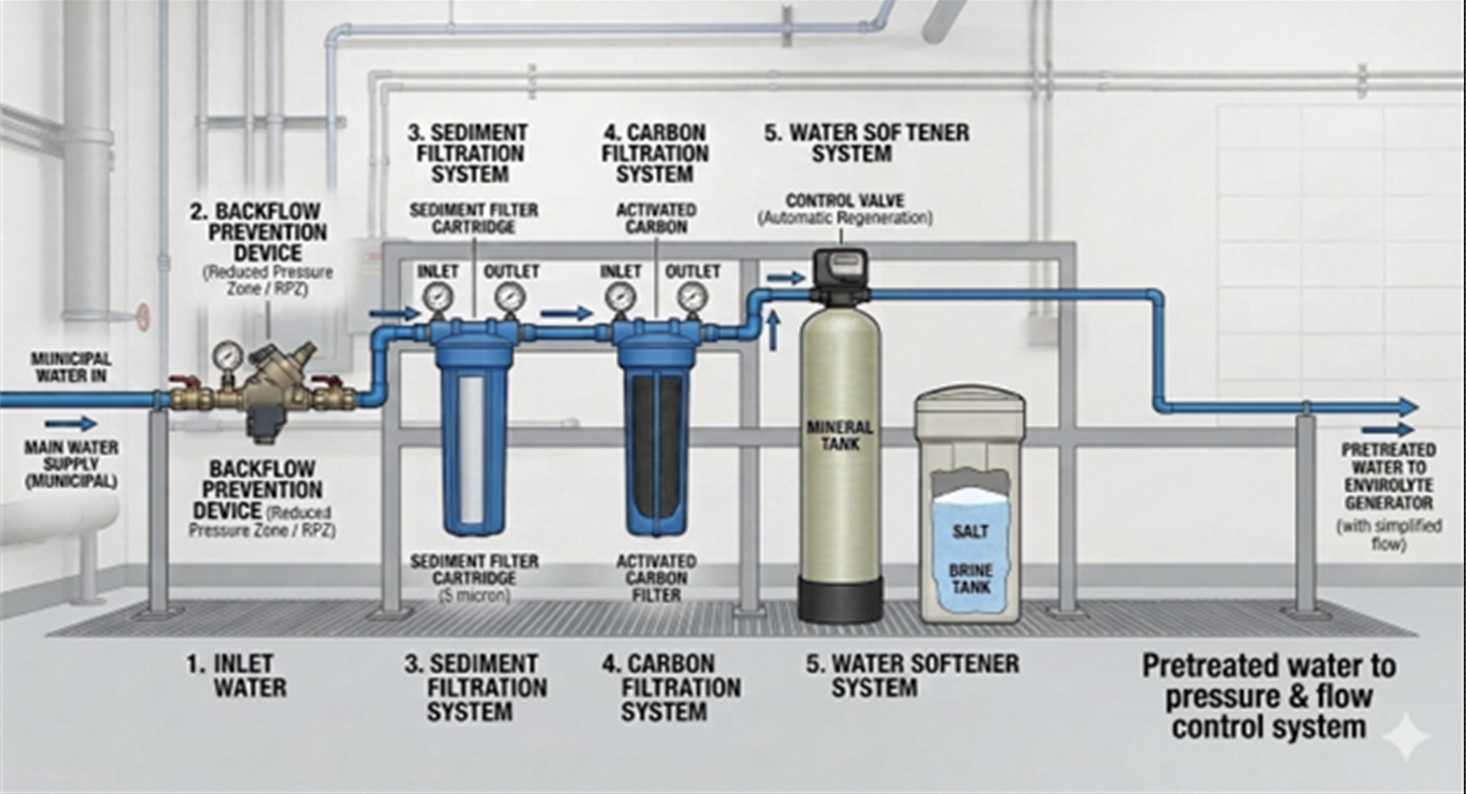
Generator System Filtration & Water Softening
Sediment Filtration protects mechanical components and flow integrity
Carbon Filtration protects the electromechanical process and internal materials
Water Softening ensures stable electrolysis and prevents scale formation
Water pretreatment is not optional
Many generator problems are actually water quality problems
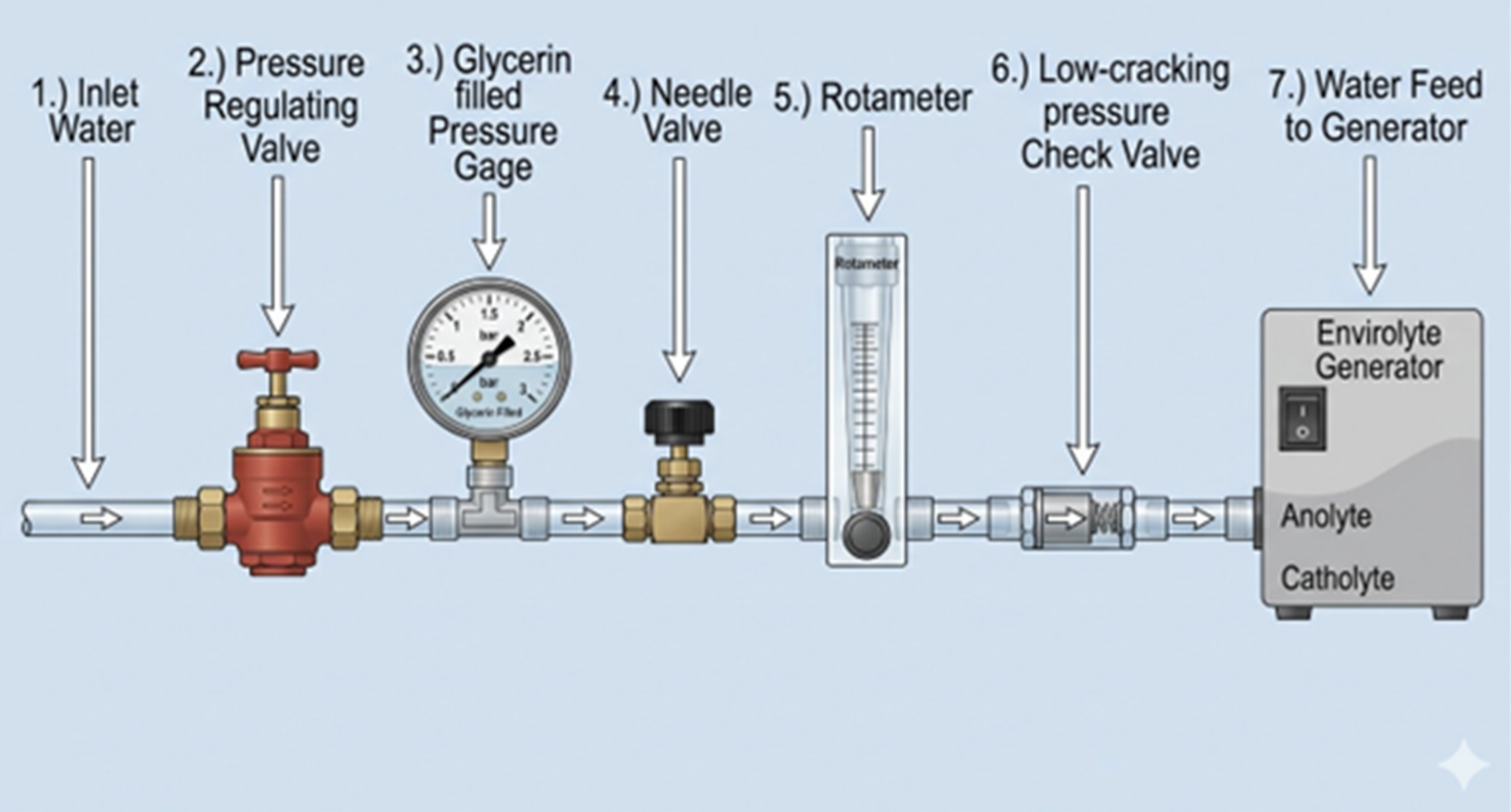
Generator System Pressure & Flow Control
Envirolyte generators are electromechanical devices, but performance is governed as much by the hydraulic system as by electricity or chemistry
Pressure regulation maintains inlet pressure within the design range and provides the foundation for repeatable system performance
Water flow metering quantifies delivery to the electromechanical system
Electrolysis performance is dependent on flow rate and it must match the design flow
Spring loaded check valve prevents unintended backflow and protects system integrity
Generator System Maintenance
Reactor acid flush
Inspect for leaks and brittle hoses
Verify cooling components are operational
Change sediment filters or verify backwashing is operational
Change carbon filters or verify backwashing is operational
Test water hardness before and after softener
Inspect softener tank and salt quality
Verify backwashing of softener is operational
Verify water pressure remains within generator design limits
Confirm water flow rate matches design specifications
Inspect brine tank for unobstructed / intact brine well
Verify consistent brine concentration

Benefits of Catholyte (NaOH)
High pH (Alkalinity)
Typical pH: 10-12
Provides classic alkaline cleaning mechanisms:
Saponification of fats
Protein denaturation (breaks down Yeast residues, Protein films, Wort fouling)
Enhanced Wetting & Penetration
Lower surface tension than standard water/caustic solutions
Better spreading on stainless steel surfaces
Improved penetration into biofilms, microscopic surface defects, and gasket interfaces
Electrochemical Activation Effects
Not just alkaline, but activated water
Increased reactivity
Altered ionic structure
Improved ability to loosen deposits and disrupt organic films
Emulsification of Organic Soils
Catholyte breaks down and disperses protein-carbohydrate matrices, hop resins, and yeast residues
Strong Performance on Certain Types of Soils
Yeast films, Protein deposits, Sugars and carbohydrates, Light biofilms
Benefits of Anolyte(HOCl)
The Core Advantage
HOCl is electrically neutral, unlike hypochlorite or many ionic disinfectants
It easily penetrates microbial cell walls, resulting in faster and deeper intracellular attack
HOCl is ~80-100x more effective than hypochlorite at the same chlorine level
Multi-Mechanism Oxidation
Peracetic Acid’s dominant mechanism is Oxidation; Quats is Membrane Disruption; Chlorine (alkaline) is Oxidation (limited penetration)
Anolyte (HOCl) acts simultaneously on multiple cellular targets:
Cell membrane destruction – Oxidizes lipids; Increases permeability
Protein denaturation – Oxidizes sulfhydryl groups; Disables enzymes
DNA damage – Interferes with replication
Superior Biofilm Penetration
The neutral charge allows HOCl to penetrate biofilm matrix more effectively than charged disinfectants
HOCl attacks polysaccharides and proteins that hold biofilms together
HOCl disrupts the cells inside the biofilm, not just surface killing
Faster Kill Kinetics
Rapid log reductions (3-6 log) in seconds to minutes
Effectiveness at Lower Concentrations
Typical concentration of PAA: 100 – 300 ppm
Typical concentration of chlorine (traditional): 50 – 200 ppm
Anolyte (HOCl) effective at 10 – 80 ppm
Low Resistance Development
HOCl attacks multiple cellular targets simultaneously which leaves little opportunity for adaptation
How to Maximize Effectiveness
Catholyte
Benefits significantly from heat: Ideal range is 40-60° C
Improves fat dissolution, reaction kinetics, and soil removal
Relies more on physical removal + chemistry vs. pure chemical strength
Critical factors: Flow velocity, Spray ball performance, and turbulent flow
Remove bulk soils before Catholyte step which reduces organic load
Boost with traditional caustic
Anolyte
Ensure excellent Catholyte / caustic cleaning and rinsing first
Maintain pH in optimal range (5-7)
Well-controlled generators
Avoid alkaline carryover
Maintain sufficient Free Available Chlorine
Effective range: 20 – 80 ppm
Use proper flow and turbulence
Ensure full surface wetting – Verify spray ball coverage and no shadowed areas
Control Temperature: Ambient to ~40° C
Optimize Contact Time – Ensure continuous contact for 1-5 minutes
Freshness – Light, Heat, and Storage Time all degrade the product
No-Rinse Applications of HOCl
In the USA, “No-rinse approval” for application” of Anolyte (HOCl) come from (2) different regulatory frameworks – FDA (food contact) and EPA (sanitizers / disinfectants).
“No-rinse” FDA approval – HOCl is approved as an antimicrobial processing aid used directly on food or food-contact water at concentrations <= 60 ppm without having to rinse after application.
The EPA regulates HOCl as a disinfectant / sanitizer. Key EPA limit <= 200 ppm for food-contact surface sanitizing.
Benefits significantly from heat: Ideal range is 40-60° C
Improves fat dissolution, reaction kinetics, and soil removal
Relies more on physical removal + chemistry vs. pure chemical strength
Critical factors: Flow velocity, Spray ball performance, and turbulent flow
Remove bulk soils before Catholyte step which reduces organic load
Boost with traditional caustic
In the EU, HOCl is formally approved as a disinfectant and is explicitly allowed for food-contact surface disinfection.
“No-rinse” acceptability is determined by regulator assessment:
Does the use leave residues that could migrate into food or exceed safe exposure thresholds?
Is it safe for consumers and workers?
Are there chlorates or chlorinated byproducts?
Is the intended use surface disinfection (equipment) or direct food contact -> stricter scrutiny?
To become authorized for “no-rinse” authorization, you must demonstrate that residues break down safely, no taste / odor impact, and no harmful byproducts at use concentration
In practice, many EU-authorized HOCl systems are used in no-rinse applications but only when concentration is controlled and the specific product authorization includes that claim.
EW Product & Process Quality Improvements
Improved Microbiological Stability
Reduced Biofilm Formation
Improved Flavor Consistency
Reduced Product Variability
Improved Surface Condition & Hygiene
Improved Packaging Line Hygiene
Improved Shelf-Life Stability
Reduced Quality Incidents
Data & Monitoring Improvements

SYSTEM OVERVIEW